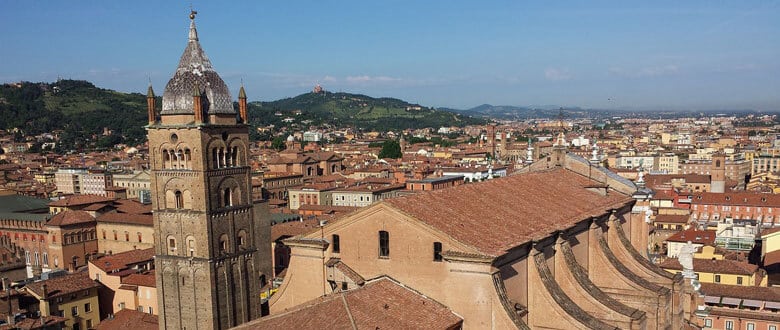
Are you planning an Italian course in Bologna or considering a study holiday in this historic city? Bologna is home to the oldest university in the Western world (founded in 1088), making it the perfect place to immerse yourself in Italian language and culture.
This guide covers everything you need to know about learning Italian in Bologna — from local slang to secret corners, food activities, and practical tips for making your study abroad experience unforgettable.
This article was published in August 2021, and last updated on in April 2026
Why Bologna is Perfect for Learning Italian
Bologna offers a genuine Italian trip without the tourist crowds of Rome or Florence. The city is known for:
- Academic heritage — Home to the University of Bologna, the oldest in the Western world.
- Food culture — The culinary capital of Italy, perfect for language practice through cooking and dining.
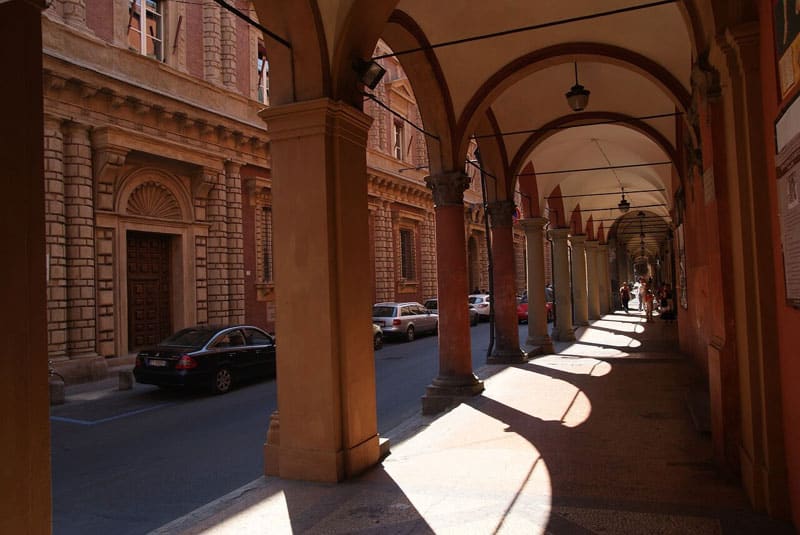
- Walkable city — 62 km of porticoes (of which about 40 km in the historical center) make it easy to explore on foot.
6 Essential Tips for Your Italian Course in Bologna
Explore the Food Scene Like a Local
Bologna is known as “La Grassa” (The Fat One) for its rich cuisine. Don’t miss:
- Tagliatelle al ragù — The authentic Bolognese sauce (not “spaghetti bolognese”).
- Tortellini in brodo — Small pasta rings served in rich meat broth.
- Mortadella Bologna IGP — The original mortadella, protected by EU law.
- Parmigiano Reggiano — Aged to perfection in nearby caseifici (dairies).
Pro tip: Join a fun cooking course in Bologna to learn recipes while practicing Italian with local chefs.
Visit the Archiginnasio Palace
Commissioned by Cardinal Borromeo in the mid-1500s, the Archiginnasio served as Bologna’s university until the early 1800s. Today it houses the Municipal Library and features:
- Two grand staircases with intricate wood carvings
- The Anatomical Theatre built by Antonio Levanti
- The “Spellati” (Skinned Men) statues by Ercole Lelli
Discover the Museo di Speleologia “Luigi Fantini”
This unusual museum showcases:
- Crystallization specimens and minerals from the Gessi Bolognesi area
- Equipment used by Bolognese speleologists since 1932
- Interactive exhibits on karst landscapes and caves
Perfect for a rainy day while studying Italian! You can visit the “MuS” by appointment only by sending an email to: info@gsb-usb.it.
Walk the UNESCO Porticoes
Bologna features 62 km of porticoes: 12 sections of these were recognized by UNESCO as a World Heritage Site. These covered walkways:
- Started expanding in the 13th century to accommodate university growth
- Served as private and public social spaces
- Were immortalized by Stendhal in his 1817 travel diary “Rome, Naples et Florence”
Take your time exploring — you’ll understand why they’re a symbol of Bologna’s hospitality.
Learn Local Slang
When studying Italian in Bologna, you’ll hear authentic Bolognese expressions. One of the most common is “Soccia” or “socmel” — used by people of all ages to express surprise, frustration, or excitement.
Caution: the literal translation is “suck it”, so this expression is “colorfully vulgar” in formal settings, job interviews, or when speaking to the elderly if you aren’t a local.
Examples:
- “Soccia che storia!” — Reaction to surprising news
- “Socmel che traffico!” — When stuck in traffic
Our insider tip: Explore Beyond the City Center
Speaking of traffic, Bologna is perfect for walking and cycling. Try these routes:
- Via degli Dei (Path of Gods) — A 4–6 day hiking trail connecting Bologna to Florence across the Apennines
- Navile Canal path — A pedestrian and cycle route from the city center to Bentivoglio through nature and industrial archaeology
What to expect from an Italian course in Bologna with Studiainitalia
- Small class sizes — 6-12 students per class for personalized attention
- Cultural activities — Cooking classes, museum visits, and local excursions included
- Flexible schedules — Options from 1-week intensive courses to 12-month programs
Ready to Start Your Italian Journey in Bologna?
Want to learn Italian in Bologna with a certified school that offers personalized lessons, cultural immersion, and flexible schedules? Book your Italian course in Bologna today — we’ll help you find the perfect fit.
Buon Italiano a tutti!
Recommended resources for more tips on Bologna:
Cappellacci a Merenda – an itinerary around the secret and unusual Bologna.
Bulgnais – a website in Bolognese to learn more about the dialect and the city.
Bologna Welcome – the official guide to never miss an event and the gems of Bologna.
Frequently Asked Questions about Italian courses in Bologna
Is Bologna a good place to learn Italian?
Yes. Bologna offers authentic Italian, academic heritage, and immersive cultural experiences with accredited language schools.
How much does an Italian course in Bologna cost?
Prices range from €400–€600 per week depending on duration, class size, and included activities.
How long should I study Italian in Bologna?
2–4 weeks is ideal for beginners to build confidence. Advanced learners benefit from 6+ weeks for fluency.
Can I learn Italian in Bologna without knowing any Italian?
Absolutely. Most schools offer beginner courses with full support in English.
What is the best time of year to study Italian in Bologna?
Spring (April–June) and autumn (September–November) offer mild weather and fewer tourists.
If you have already studied Italian in Bologna: did we miss any tips in your opinion? Comment below!
Cover image by LanziLB3 on Pixabay